
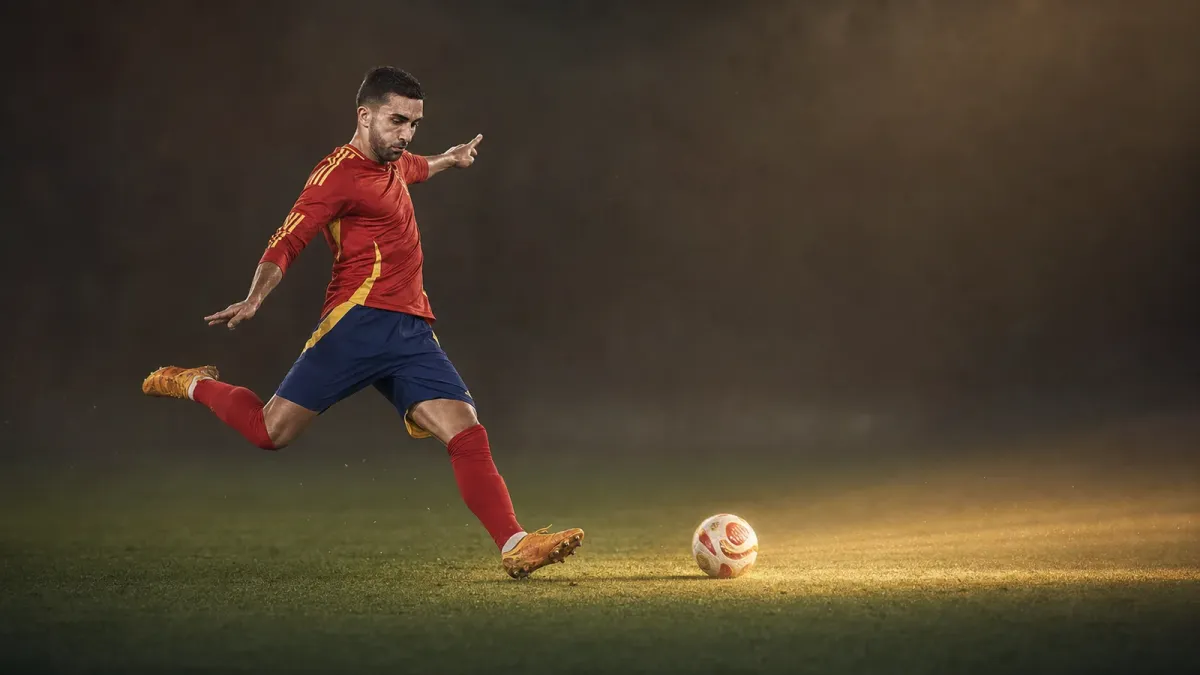
Spain won the 2026 FIFA World Cup on Sunday, July 19, beating Argentina 1-0 after extra time at New York New Jersey Stadium in East Rutherford. Substitute Ferran Torres scored in the 106th minute to break a final that had remained scoreless through regulation.
The victory gives Spain its second men's World Cup title and its first since 2010. It also ends Argentina's bid to become the first nation since Brazil in 1962 to win consecutive men's World Cups.
Why it stands out
The final became a test of Spain's patience. Luis de la Fuente's team controlled possession and territory while Argentina protected the center of the field and relied on goalkeeper Emiliano Martínez. The first half produced only three shots in total, the fewest in a men's World Cup final since comparable records began in 1966, according to the Associated Press.
Argentina did not register an attempt in the opening half, while Martínez stopped Lamine Yamal's early shot and kept the game level. Spain continued pressing after the break, but the defending champions survived through 90 minutes.
Key moments
- 5th minute: Yamal produced the first clear chance, forcing Martínez into a save.
- 62nd minute: Torres replaced Mikel Oyarzabal, giving Spain a fresh runner through the middle.
- 90+3: Enzo Fernández received a second yellow card after a challenge on Pau Cubarsí, leaving Argentina with 10 players for extra time.
- 96th minute: Nico Williams put the ball in the net, but the goal was disallowed for a foul in the buildup.
- 106th minute: Torres finally converted Spain's pressure into the only goal of the match.
The bigger picture
By the midpoint of extra time, Spain had taken 19 shots to Argentina's none, according to the Associated Press. Torres's breakthrough turned that territorial advantage into the title and extended a run that began with Spain's European Championship victory in 2024.
The win also pushes Spain beyond the 37-match unbeaten run it shared with Italy entering the final. Two 19-year-olds, Yamal and Pau Cubarsí, started for the champions, bringing a strikingly young edge to a team that also leaned on the experience of Rodri, Aymeric Laporte and Unai Simón.
For Argentina, the defeat closes a title defense built around 39-year-old Lionel Messi and several late tournament comebacks. The defending champions held Spain scoreless for more than 100 minutes, but Fernández's dismissal and Torres's finish proved decisive.
What comes next
Spain leaves the expanded 48-team tournament as both European and world champion. Argentina finishes runner-up four years after lifting the trophy in Qatar, while the sport's attention now turns toward the next international cycle and the 2030 World Cup.


