
Tesla reports second-quarter 2026 results after the U.S. market closes Wednesday, July 22, with its management webcast scheduled for 5:30 p.m. Eastern. Investors already know the quarter delivered a sharp rebound in vehicle volume. The harder question is how much profit and cash Tesla kept while supporting sales and accelerating spending on robotaxis, artificial intelligence and new factories.
The cleanest benchmark comes from Tesla's company-compiled consensus of 23 sell-side firms. Their average estimates call for $27.584 billion in revenue, $1.503 billion in operating income, a 19.5% gross margin and 36 cents in diluted GAAP earnings per share. The average adjusted estimate is 55 cents per share. Those are expectations, not company guidance, and the range around several items is wide.
The numbers to put on the scoreboard
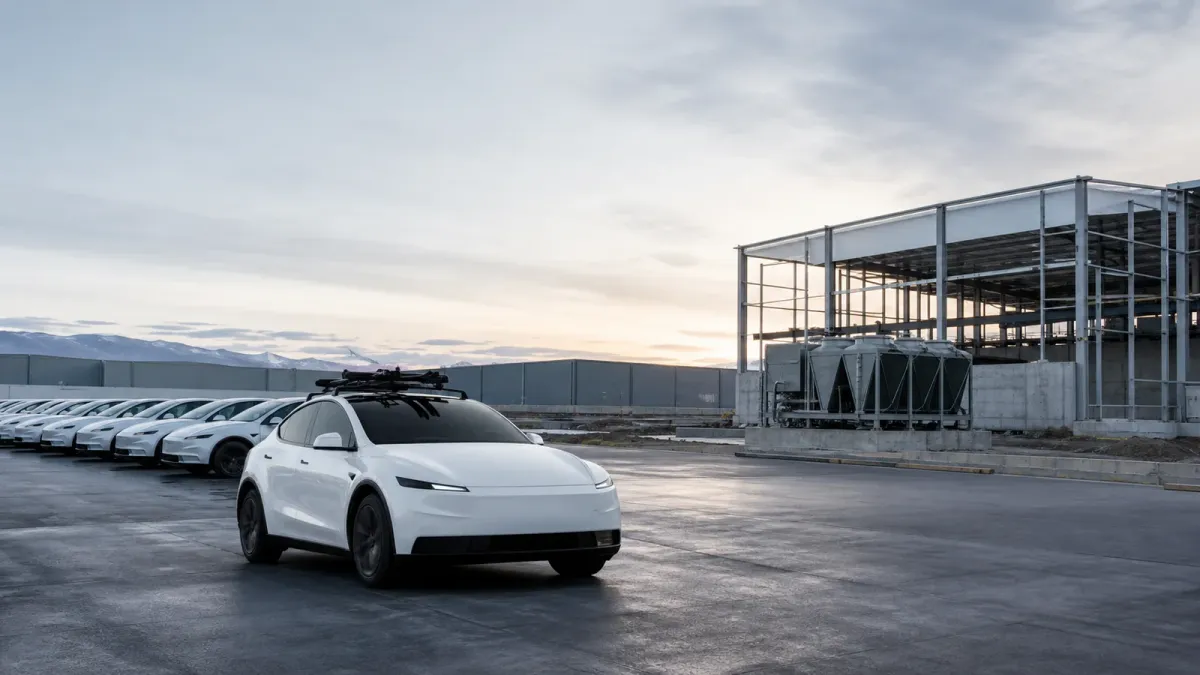
Tesla has already reported 480,126 vehicle deliveries and 451,758 vehicles produced in the quarter. Model 3 and Model Y accounted for 467,762 deliveries, while other models contributed 12,364. Deliveries exceeded production by 28,368 vehicles, a reversal of the inventory build that can weigh on cash and margins when unsold cars accumulate.
The delivery result is the strongest known part of the setup. It does not guarantee an earnings beat. Tesla itself cautioned that deliveries are only one measure of performance and that average selling prices, cost of sales and foreign-exchange movements also shape the quarter. That makes automotive revenue and margin more revealing than the vehicle count alone.
1. Did incentives turn volume into lower-quality growth?
The consensus average puts automotive revenue at $20.048 billion and total gross profit at $5.378 billion. A top-line beat paired with a gross-margin miss would suggest Tesla paid more than expected to generate demand through discounts, financing offers or a less profitable product mix. A margin beat would be stronger evidence that scale and manufacturing costs improved alongside deliveries.
For context, Tesla posted a 21.1% total GAAP gross margin and a 4.2% operating margin in the first quarter. Analysts now expect the total gross margin to ease to 19.5% while the operating margin rises to 5.4%. That combination implies a quarter in which higher volume supports operating profit even as the gross margin gives back some of its prior-quarter strength.
2. Energy could be more than a side note
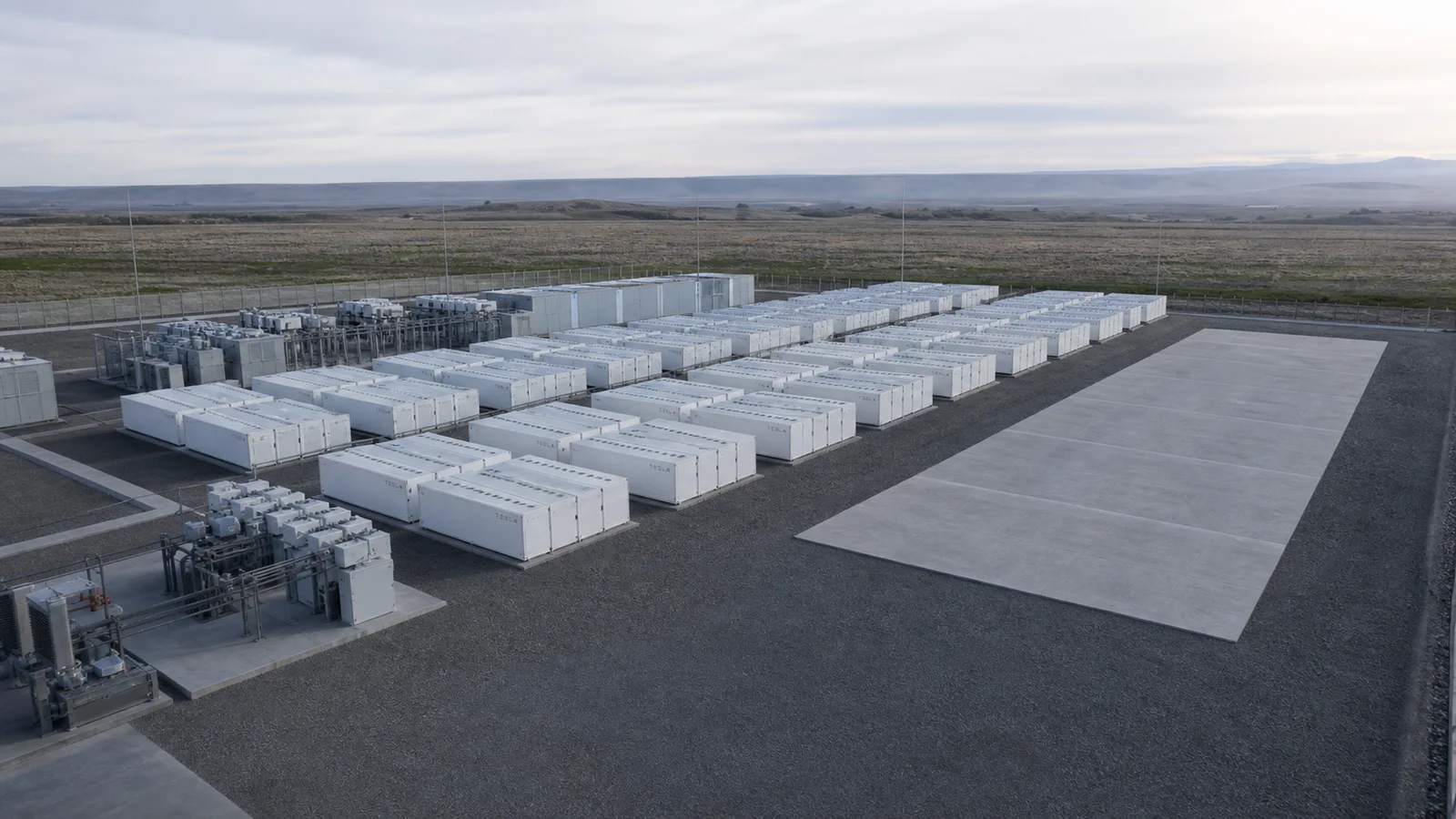
Tesla deployed 13.5 gigawatt-hours of energy-storage products in the quarter, up from 8.8 GWh in the first quarter and 9.6 GWh in the year-earlier period. The consensus average calls for $3.773 billion in energy generation and storage revenue. Investors should compare that revenue with deployment growth and listen for comments on Megapack capacity, pricing and the timing of the new Texas factory.
Energy has the potential to diversify Tesla away from the uneven economics of vehicle demand. But deployments can be lumpy, and a record volume number does not by itself reveal the segment's margin. The report should show whether storage growth is adding durable earnings or simply more revenue.
3. The cash-flow line may dominate the debate
The most striking consensus figure is negative $3.254 billion in free cash flow, based on expected operating cash flow of $3.445 billion and capital spending of $6.698 billion. Tesla generated $1.444 billion of free cash flow in the first quarter. A swing into a multibillion-dollar outflow would not automatically be bad if the spending is tied to credible, productive capacity, but it would raise the burden on management to show milestones and returns.
Analysts expect Tesla to spend about $25.3 billion on capital expenditures for all of 2026. The earnings materials and webcast should help distinguish spending on established businesses, such as vehicle and storage production, from longer-dated bets on AI compute, semiconductor manufacturing, Cybercab and Optimus.
4. Robotaxi and Optimus need operating evidence
Tesla's valuation reflects expectations that software, autonomous mobility and robotics can become much larger profit engines. The useful updates tonight will be operational: paid miles, fleet size, service-area expansion, safety-driver requirements, production rates, customer economics and firm launch milestones. Aspirational market-size claims will matter less than evidence that these products can scale legally, safely and economically.
The same standard applies to Optimus. Investors should listen for installed production capacity, units built, real factory tasks and external-customer timing. Specific output and cost measures would make the program easier to value; a new target without a measurable base would preserve uncertainty.
5. Guidance matters more than an EPS beat
Tesla's reported quarter will look backward, but the stock's reaction is likely to turn on what management says about second-half vehicle demand, average prices, production launches and the pace of capital spending. Options prices indicated roughly a 6% move in either direction ahead of the report, according to Barron's. That is a measure of expected volatility, not a forecast of where the shares will go.
The practical checklist is simple: compare revenue with $27.584 billion, GAAP EPS with 36 cents, adjusted EPS with 55 cents, gross margin with 19.5% and free cash flow with negative $3.254 billion. Then test every AI update for a date, unit, cost or revenue measure. A delivery-driven beat with weaker margins and a vague spending story would be less convincing than the headline. A clean margin result, explainable investment outflow and measurable product milestones would make the quarter more durable.
This article is general market education, not personalized investment advice. Earnings estimates can change, reported results may use measures that differ from consensus definitions, and short-term stock moves can diverge from business fundamentals.


