
Texas flood recovery is not finished just because some waters have started to recede. National Weather Service river statements issued Monday evening, July 20, kept major flooding in the forecast for parts of South Texas, including the Frio River at Tilden and the Nueces River near Asherton.
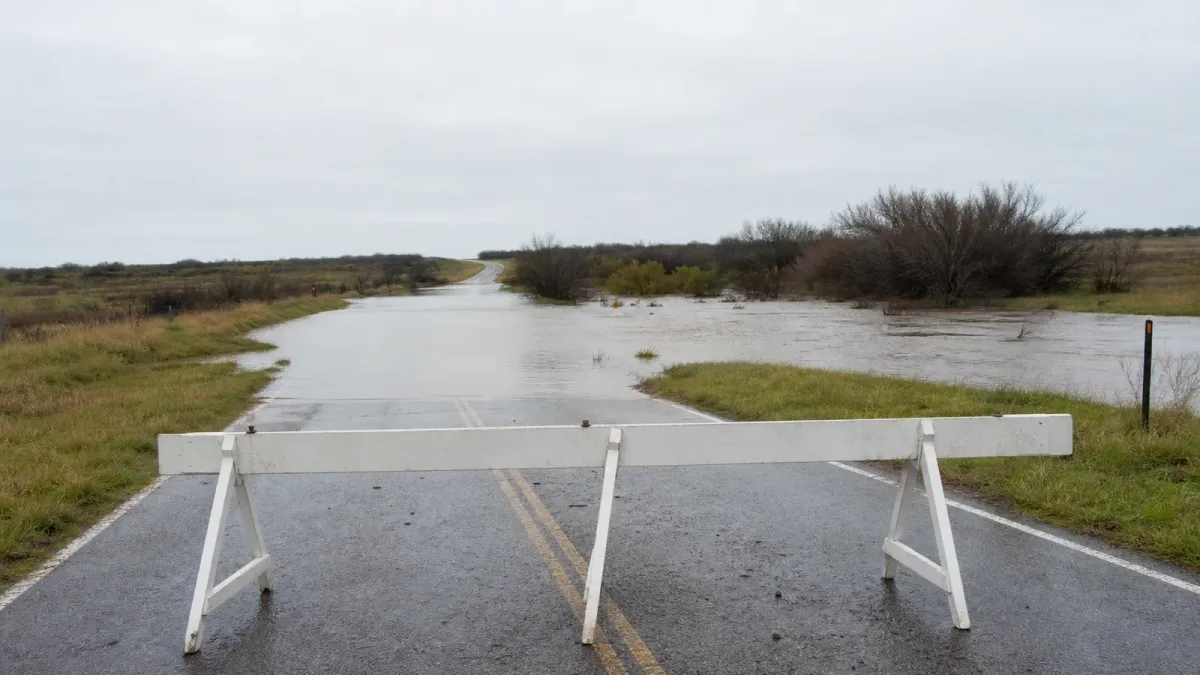
The warnings matter for cleanup because roads, bridges and low-water crossings can remain dangerous after rain ends. FEMA approved an emergency declaration for Texas on July 18, and Gov. Greg Abbott requested a presidential disaster declaration for 28 counties after visiting Uvalde County.
Do this first
- Check the latest National Weather Service river warning for your county before driving back.
- Use local road-closure maps and county emergency updates instead of assuming a reopened route is safe.
- Photograph damage before moving debris if it is safe to enter the property.
- Report damage through Texas emergency management channels so officials can document the recovery need.
Check these rivers
At Tilden, the National Weather Service said the Frio River was expected to rise above flood stage late Monday and crest early Wednesday, July 22, before falling below flood stage late Friday morning. The statement said major flooding can affect homes, businesses, roads and pastureland near the river.
Near Asherton, the Nueces River was already in major flood stage Monday evening and was forecast to crest early Tuesday afternoon, July 21. Forecasters said the crest would approach the flood of record and that the river may not fall below flood stage until early Saturday afternoon.
Common mistakes
Do not drive around barricades or through water over a road. The weather service warns that fast-moving water can knock people down and that two feet of water can float a car. AP reported that emergency personnel had rescued more than 570 people across southern and central Texas after days of downpours.
What happens next
Expect damage surveys, road repairs and federal aid decisions to continue after the water falls. The safest move is to treat every return trip as a conditions check: confirm the forecast, confirm the route, and wait if local officials say water is still covering roads.


