
A United Nations report released Tuesday, July 21, 2026, says organized scam networks that grew around South-East Asia are becoming more global, more automated and harder for ordinary people to recognize.
The report from the United Nations Office on Drugs and Crime says criminal groups are combining cyber-enabled fraud, money laundering, underground banking, trafficking and corruption into a more connected criminal economy. The Associated Press reported that UNODC estimated scam-related losses in 2025 at $88.3 billion to $114.1 billion.
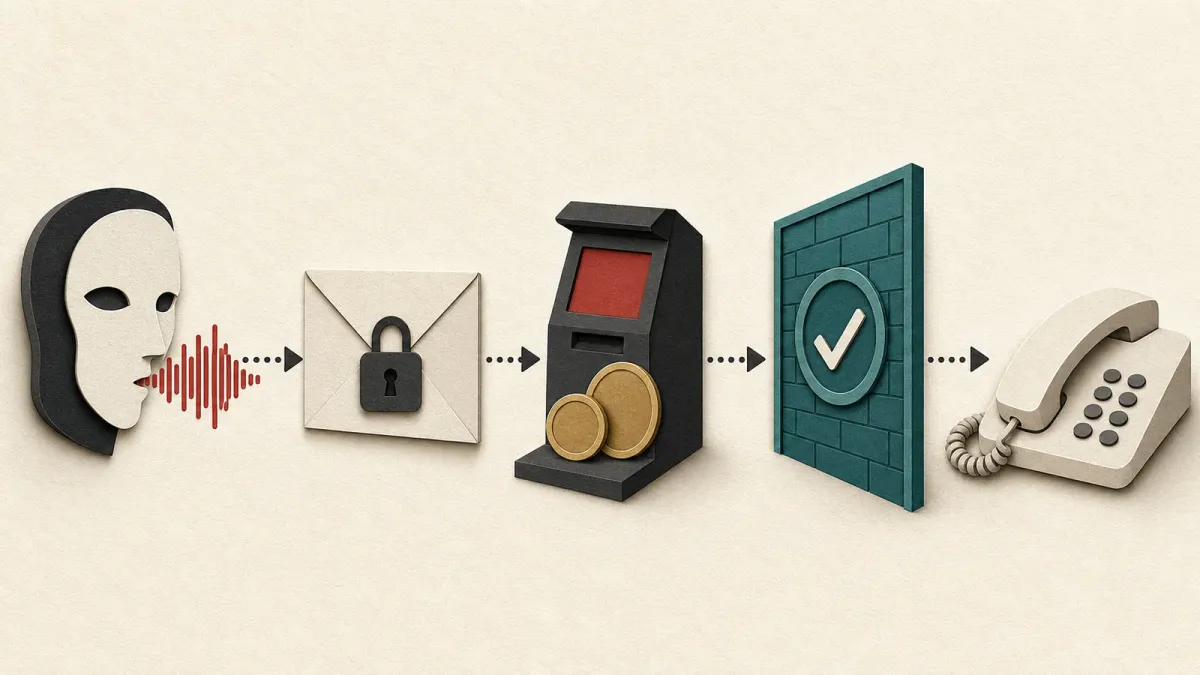
The practical takeaway is not that every suspicious voice, text or app is new. It is that scammers can now use artificial intelligence, translation tools, synthetic media, encrypted messaging and cryptocurrency rails to make old tactics look more personal and urgent.
The short answer
If someone pressures you to move money, share a code, install an app, switch to a private messaging platform or trust a new phone number, pause and verify through a separate channel you already know is real. A familiar voice or polished profile is no longer enough.
UNODC's new threat assessment says criminal markets that once looked regional are increasingly connected across borders. AP's account of the report says the groups are using AI-generated content, deepfakes, cryptocurrency and encrypted platforms to steal from victims worldwide.
How scam networks are changing
The report's warning fits a broader pattern. The FBI said in a public alert that malicious actors have used text messages and AI-generated voice messages to impersonate senior U.S. officials, then try to move targets to a secondary messaging app or steal account access.
Researchers studying AI voice phishing reported in July 2026 that automation changes the economics of voice scams. In their survey experiment, some participants said they would or might comply with AI-powered requests, especially in family-emergency scenarios. The study does not mean every cloned voice will work, but it shows why criminals may be able to scale attempts cheaply.
The payment step is just as important as the synthetic media. The Federal Trade Commission has warned that scammers often turn an unexpected call, message or pop-up into a demand to withdraw cash, use a Bitcoin ATM, buy gift cards or move crypto. The FTC's rule of thumb is blunt: real businesses and government agencies do not ask people to move money that way to fix a problem.
Why it matters now
The old checklist of scam warning signs still helps, but it is weaker when the first contact looks polished, sounds familiar or arrives through a profile that has been tuned by translation and generative tools. That is why the safest test is procedural, not emotional: who contacted you, what channel did they choose, what are they asking you to do, and can you verify the request somewhere they do not control?
This is especially important for families, small businesses and older adults because the most damaging scams often combine a believable story with a payment method that is hard to unwind. The more urgent the request feels, the more the next step should be verification instead of compliance.
What to check before you trust it
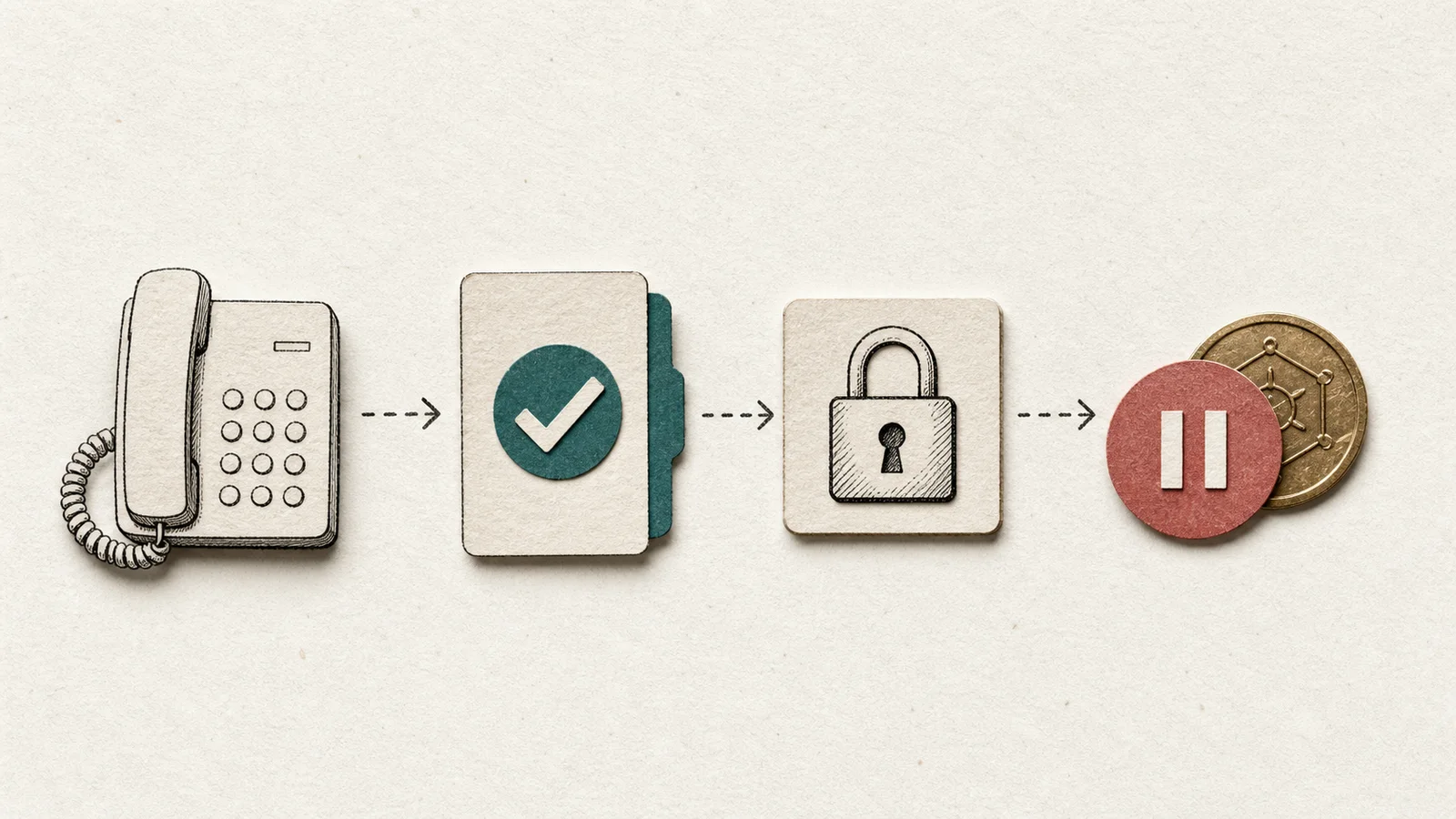
Verify the channel, not the story. If the request comes from a new number, a new account or a rushed voice message, contact the person, bank, employer or agency using a number or site you found independently. Do not use the link, phone number or app the message supplied.
Slow down any money request. Scams work by compressing time. A family emergency, fraud alert, job offer, investment window or law-enforcement threat should get more verification, not less.
Treat codes like cash. Never give a two-factor authentication code, password reset code or remote-access permission to someone who contacted you unexpectedly. The FBI says attackers can use social engineering to get around security controls by convincing people to hand over the code themselves.
Watch for payment rails that are hard to reverse. Gift cards, wire transfers, crypto wallets and Bitcoin ATMs are common pressure points because they can move money quickly and leave victims with few recovery options.
What happens next
The UNODC report argues that enforcement cannot treat fraud, laundering, trafficking and cybercrime as separate problems when the same networks share infrastructure. For readers, the immediate defense is simpler: separate identity from urgency. A real person, company or agency can be reached through a trusted route. A scammer usually needs you to stay inside the channel they control.
Anyone who has already sent money or shared account access should contact the bank, card issuer or platform immediately, preserve messages and transaction records, and report the incident to the appropriate fraud-reporting channel. Speed matters most after the payment, not before it.


