
The United States imposed new 50% tariffs on roughly C$28 billion—about US$20 billion—of Canadian goods early Saturday, August 22, after last-minute negotiations failed. Canadian Prime Minister Mark Carney suspended the talks and said Canada will match the duties dollar for dollar.
Ottawa says its counter-tariffs will take effect September 8, the Tuesday after Labour Day. The announced targets include steel, dairy products, appliances, agricultural equipment, pulp and paper, and electronics, though the government has not yet released the product-level list.
The immediate economic hit is narrower than a tariff on all Canadian trade: the affected goods represent about 5% of Canada’s annual exports to the United States. But the political rupture is much larger because the two countries exchange about $880 billion in goods and services a year and built many supply chains around predictable cross-border access.
What changed
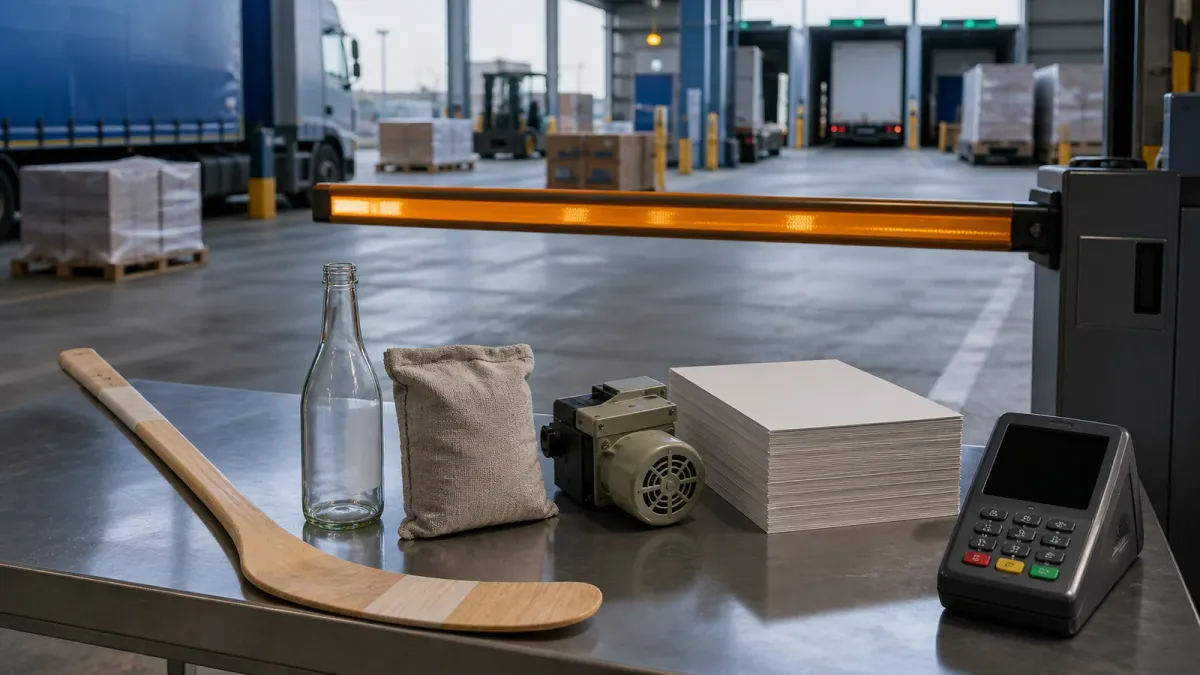
The U.S. action uses Section 338 of the Tariff Act of 1930, an authority that permits duties of up to 50% when another country is judged to discriminate against American commerce. The White House says Canada treated U.S. cars, alcohol and dairy unfairly. Its July proclamations covered products including wine, hockey sticks and cement, even when those goods would otherwise qualify under the U.S.–Mexico–Canada Agreement.
Carney said Canada had offered to remove remaining retaliatory tariffs on steel, aluminum and autos if Washington substantially lowered its duties. He said the final U.S. terms were unfair and uneconomic, while U.S. Trade Representative Jamieson Greer said Washington acted to protect American workers and supply chains.
What buyers and businesses may see
Tariffs are collected from importers, not foreign governments. A U.S. company bringing a covered Canadian product across the border must either absorb the new cost, negotiate a lower price, change suppliers or pass some of the increase to customers. Canadian exporters can face weaker orders or pressure to cut margins.
Canada’s planned response creates the same choices in reverse for Canadian importers of targeted U.S. products. Carney acknowledged that retaliation will raise costs and reduce choice in Canada, while arguing that matching the duties is necessary to protect exposed industries.
What remains outside the new duties
The White House says the Section 338 tariffs exclude energy, potash, products already covered by separate Section 232 tariffs, and some other goods including fish and critical minerals. Most Canadian exports therefore remain outside this specific round, but steel, aluminum, autos and other sectors already face separate trade barriers.
What happens next
Canada says it will publish detailed counter-tariff measures in the coming days before the September 8 start date. No new round of talks was announced Saturday. The escalation also hangs over the coming review of the USMCA, because formal U.S. talks with Mexico have begun while negotiations with Canada have not.
For businesses and consumers, the next practical questions are which exact products appear on Canada’s list, whether either side grants exemptions, and whether political pressure creates an off-ramp before the retaliatory duties begin.


