
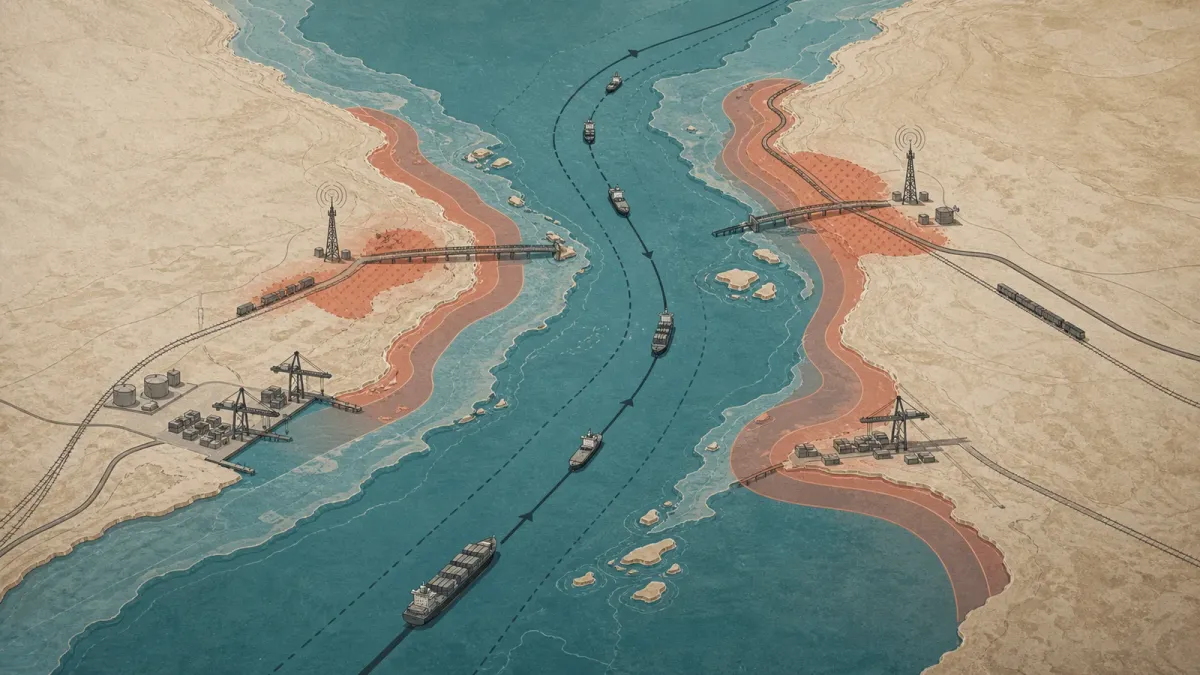
U.S. Central Command said late Friday, July 17, that American forces had launched a seventh consecutive night of strikes on Iran, extending a campaign focused on military and coastal infrastructure around the Strait of Hormuz.
Iran also carried out new attacks across the region. The Associated Press reported Iranian missiles or drones targeted Qatar, Bahrain and Kuwait, while Jordan said it intercepted three incoming missiles. Kuwaiti authorities said a strike damaged a power and water desalination plant, and Qatar said falling debris from an interception injured a child.
The exchanges deepen a conflict with direct consequences for commercial shipping, oil markets and countries hosting U.S. forces. A tanker traveling through the strait near the route closest to Oman sustained minor damage Friday, according to the United Kingdom Maritime Trade Operations center; no crew members were reported injured.
What changed
The newest U.S. wave follows strikes on bridges, energy sites and a tower at Iran’s Chabahar port. Iran said the tower managed commercial traffic, while CENTCOM said it was part of a maritime surveillance network used by the Revolutionary Guard to track and target commercial vessels.
Iranian authorities said recent U.S. attacks had killed at least 46 people and wounded more than 400, including eight deaths in a bridge strike Friday. U.S. officials separately acknowledged 13 additional American service members had been injured since Monday. Those casualty accounts and the full damage on the ground have not been independently verified.
Early Saturday, Iran’s military claimed two oil tankers had exploded and caught fire while trying to use a mined route through the strait. It offered no supporting details. CENTCOM denied the claim, calling it false. The competing statements underscore how difficult it remains to verify events in the waterway in real time.
Why the Strait of Hormuz matters
About one-fifth of the oil and natural gas traded globally passed through Hormuz in peacetime. Ship crossings fell to eight on Thursday, a three-week low, according to MarineTraffic data cited by AP, while oil climbed above $86 a barrel Friday. Regional pipelines can bypass some maritime traffic, but not enough to replace the lost shipping capacity.
CENTCOM said in a July 11 release that it had struck more than 300 Iranian targets during three nights of operations and had helped more than 800 commercial vessels transit the strait since early May. Those figures predate the newest strike waves and represent the U.S. military’s account of the campaign.
What we do not know yet
The full extent of damage to Iranian infrastructure, the status of the tanker attacked Friday and the effectiveness of Iranian strikes across Gulf states remain unclear. Statements from the governments involved frequently conflict, and some reported impacts cannot be independently confirmed.
There is also no clear path back to the interim truce. The fighting is increasingly centered on who controls passage through Hormuz, while the United States has restored a naval blockade on Iranian ports and Iran continues to demand authority over shipping routes and fees.
What happens next
The most important signals are whether another strike cycle begins, whether commercial traffic falls further and whether Qatar, Oman or Pakistan can restore negotiations. Any verified attack causing major casualties, prolonged water or power disruption, or a wider halt to tanker traffic would mark another significant escalation.


