
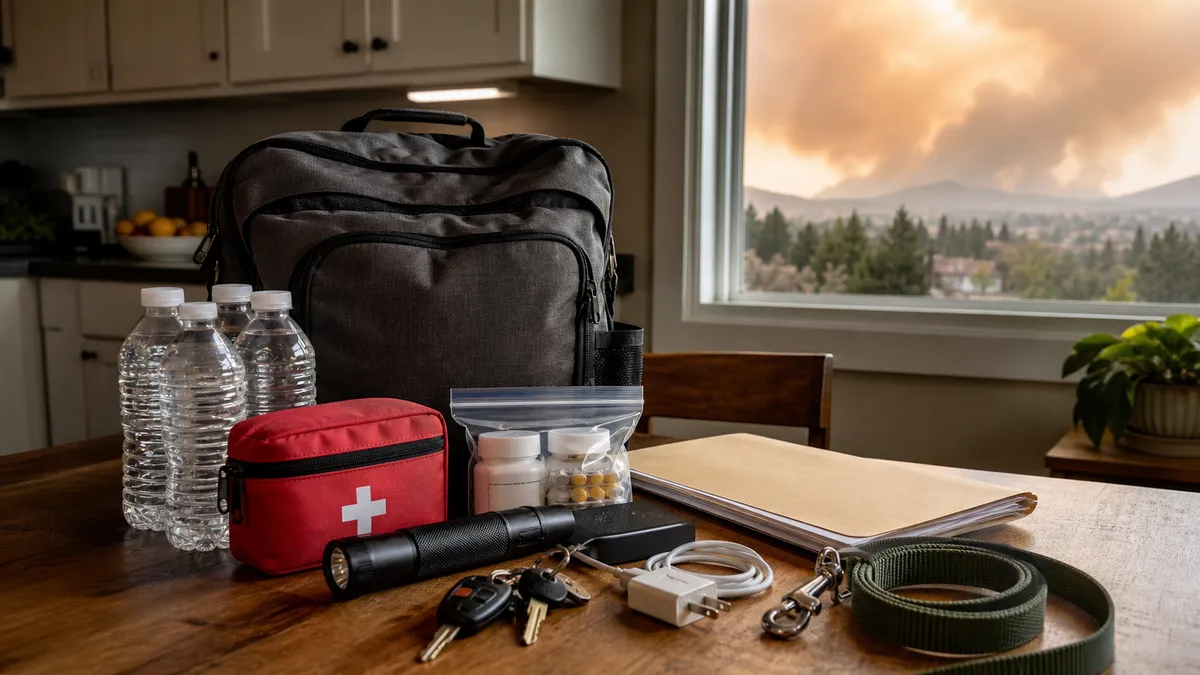
Wildfire preparation works best before an evacuation warning appears on a phone. By the time smoke is visible, roads are crowded, power is unstable, or officials are updating evacuation zones, the safest plan is usually the one that is already packed.
The core idea is simple: build one go-bag for each person, keep the most important documents together, and make the first hour of leaving as automatic as possible. Ready.gov tells households to prepare for wildfires by knowing evacuation routes, keeping emergency supplies ready, and following local emergency instructions.
That matters across much of the United States during the summer fire season. On July 4, 2026, Google News was carrying active wildfire coverage from Colorado while federal health agencies continued to urge people to watch smoke and air-quality alerts. The exact fire changes by region, but the household checklist is broadly the same.
Start with the first 24 hours
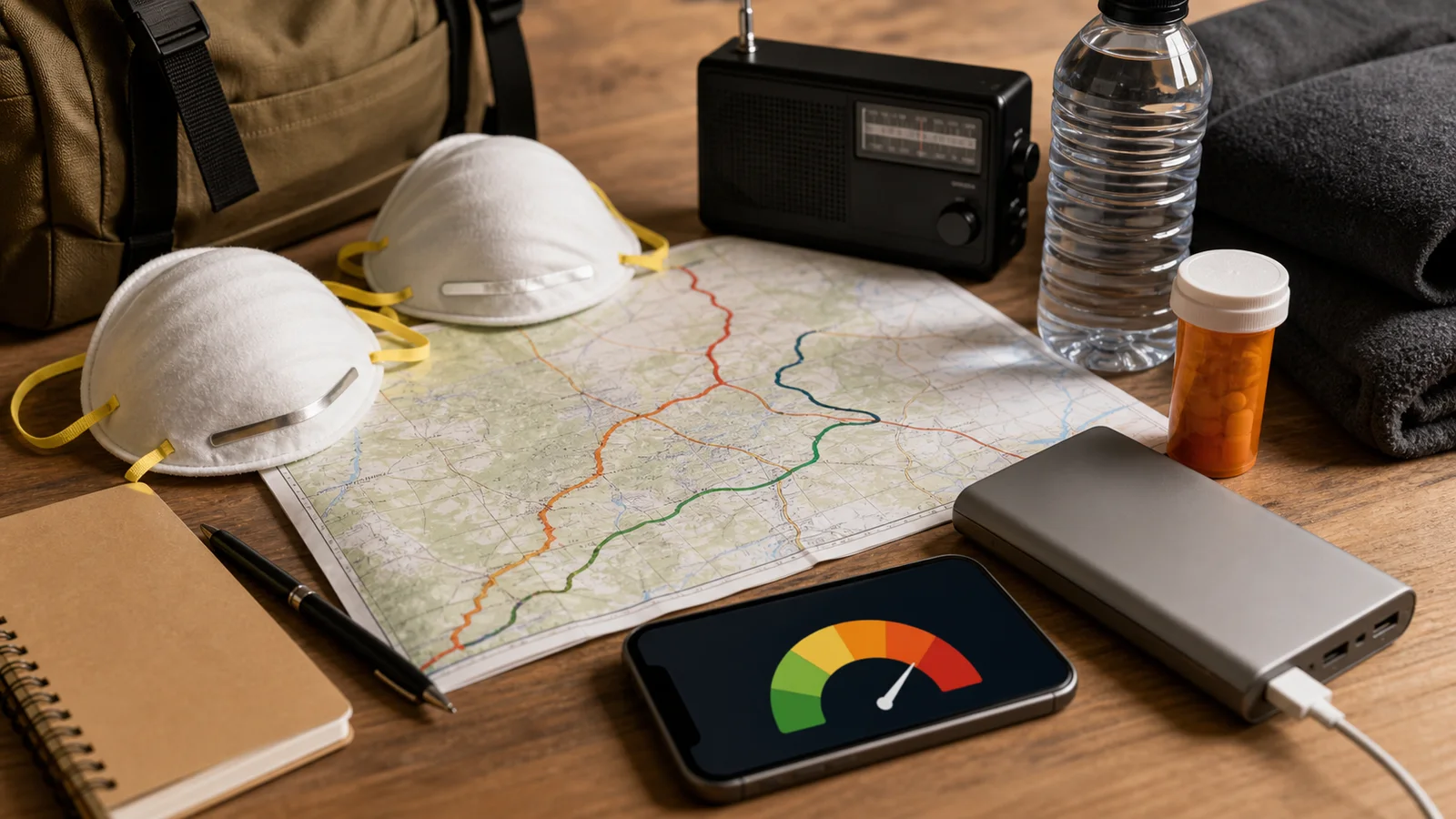
A wildfire go-bag should cover the period when a household is moving, waiting for instructions, or staying somewhere temporary. Pack water, shelf-stable snacks, a flashlight, spare batteries, a small first aid kit, a phone charger, a power bank, and a battery or hand-crank radio. Add a change of clothes, sturdy shoes, basic hygiene items, cash, and a paper map in case mobile service drops.
Medications deserve their own pouch. Include a current list of prescriptions, dosage information, allergies, doctor and pharmacy contacts, and several days of critical medicines when that is possible. For medical devices, include chargers, backup batteries, or written instructions a family member could follow under stress.
Households with infants, older adults, disabilities, or medical equipment should add the specific supplies that would be hardest to replace on the road. That may include formula, diapers, hearing-aid batteries, mobility-device chargers, spare glasses, cooling supplies, or written care instructions. The point is to pack for the people who are actually leaving, not for a generic checklist.
Make documents easy to grab
Keep copies of identification, insurance information, lease or mortgage records, vehicle titles, medical documents, pet vaccination records, and emergency contacts in a sealed folder or waterproof pouch. A cloud copy is useful, but a paper copy still helps if a phone is lost, a battery dies, or a shelter intake desk needs information quickly.
Photos can help too. Before fire season, take quick phone photos of rooms, valuable items, medication labels, and important documents. Store them somewhere backed up. The goal is not perfect cataloging; it is reducing the number of decisions that have to be made during a stressful evacuation.
Plan for smoke, pets, and alerts
Wildfire smoke can affect people far from the flames. The CDC advises people to pay attention to local forecasts and air quality, use AirNow for smoke information, and follow emergency management instructions. Pack well-fitting respirator masks if you have them, especially for travel through smoky areas, and keep windows and vents closed when officials advise staying indoors.
Pets need a parallel plan: leash, carrier, food, water bowl, medication, vaccination records, waste bags, and a current photo. If a household may need a hotel or shelter, check pet rules before the emergency. For livestock or larger animals, local emergency management offices usually publish separate evacuation guidance because transportation takes longer.
Alerts should come from more than one place. Sign up for local emergency notifications, enable wireless emergency alerts on phones, follow official county or city accounts, and keep a battery-powered radio available. Families should choose a meeting place outside the neighborhood and one out-of-area contact who can relay updates if local networks are overloaded.
Keep the bag boring and current
The best go-bag is not complicated. It is visible, labeled, and easy to lift. Check it every few months for expired food, dead batteries, out-of-date medicine lists, clothing sizes, pet needs, and phone-cable changes. A calendar reminder at the start of fire season can keep the kit from becoming a forgotten closet project.
None of this replaces official evacuation orders. If local authorities say to leave, leave early. A packed bag simply removes friction when minutes matter and gives a household a clearer path from warning to action.


